Introduction to Bloodborne Pathogens Training
Bloodborne pathogens pose serious health risks, especially in settings like healthcare, laboratories, and labor-intensive environments. It's imperative to understand their nature, transmission methods, and the preventive measures that can protect individuals.
Bloodborne Pathogens: A Brief Overview
Bloodborne pathogens are microorganisms present in human blood that can cause diseases in humans. They can be transmitted when infected blood or certain body fluids come into contact with mucous membranes, cuts, abrasions, or through needlestick injuries. The risks they pose make it crucial for professionals in certain fields to be well-informed and trained.
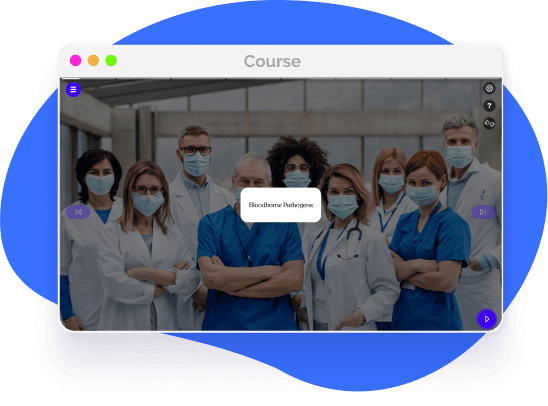
Given the potential health risks associated with exposure, comprehensive training is vital for various professionals. The training is not merely about compliance; it is about safety, health, and workplace responsibility.
Training fosters an environment where safety becomes a shared responsibility. It cultivates a culture of awareness, preparedness, and caution.
In many countries, regulatory bodies mandate that certain professionals undergo this training. It ensures that best practices are consistently followed, reducing the risk of outbreaks and legal repercussions.
By understanding how these pathogens spread, individuals can take proactive measures to minimize the risk of transmission, ensuring their safety and the safety of those around them.
Key Components of Bloodborne Pathogens Training
A comprehensive training program on bloodborne pathogens covers several critical aspects to ensure maximum safety:
Here are some myths to look out for:
- -
Understanding the nature of bloodborne pathogens
- -
Modes of transmission and potential risks.
- -
Proper handling and disposal of materials that might be contaminated
- -
Use and disposal of personal protective equipment (PPE)
- -
Emergency procedures and post-exposure steps

Equip Yourself with Top-Tier Bloodborne Pathogens Training
EasyLlama's Bloodborne Pathogens Training is tailored to provide comprehensive knowledge, coupled with interactive modules, real-life scenarios, and expert insights. Whether you're a seasoned professional or new to a high-risk field, our course ensures you're well-prepared to handle situations with safety and confidence. Join us and elevate your safety standards today.
Helping over 8,000 organizations create a safer, more productive workplace


















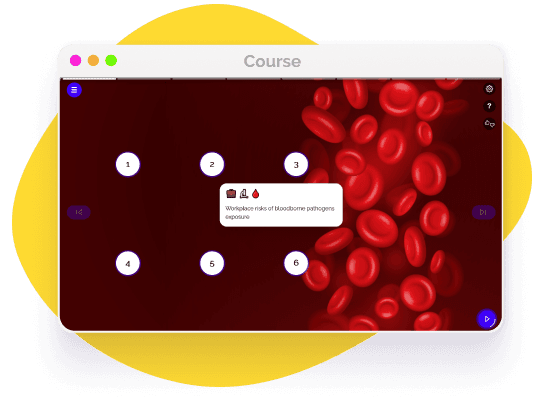
EasyLlama’s online training course helps prepare employees with the best practices for workplace exposure to blood. Learners will become familiar with the primary pathogens to look out for, universal precautions, and more. The course covers:


 Get more from EasyLlama