Security Awareness Training That Reduces Human Risk

Turn employees into a stronger line of defense against phishing and social engineering. EasyLlama helps IT teams build lasting, safer habits across the workforce without adding administrative work.



Why IT & Security Teams Choose EasyLlama
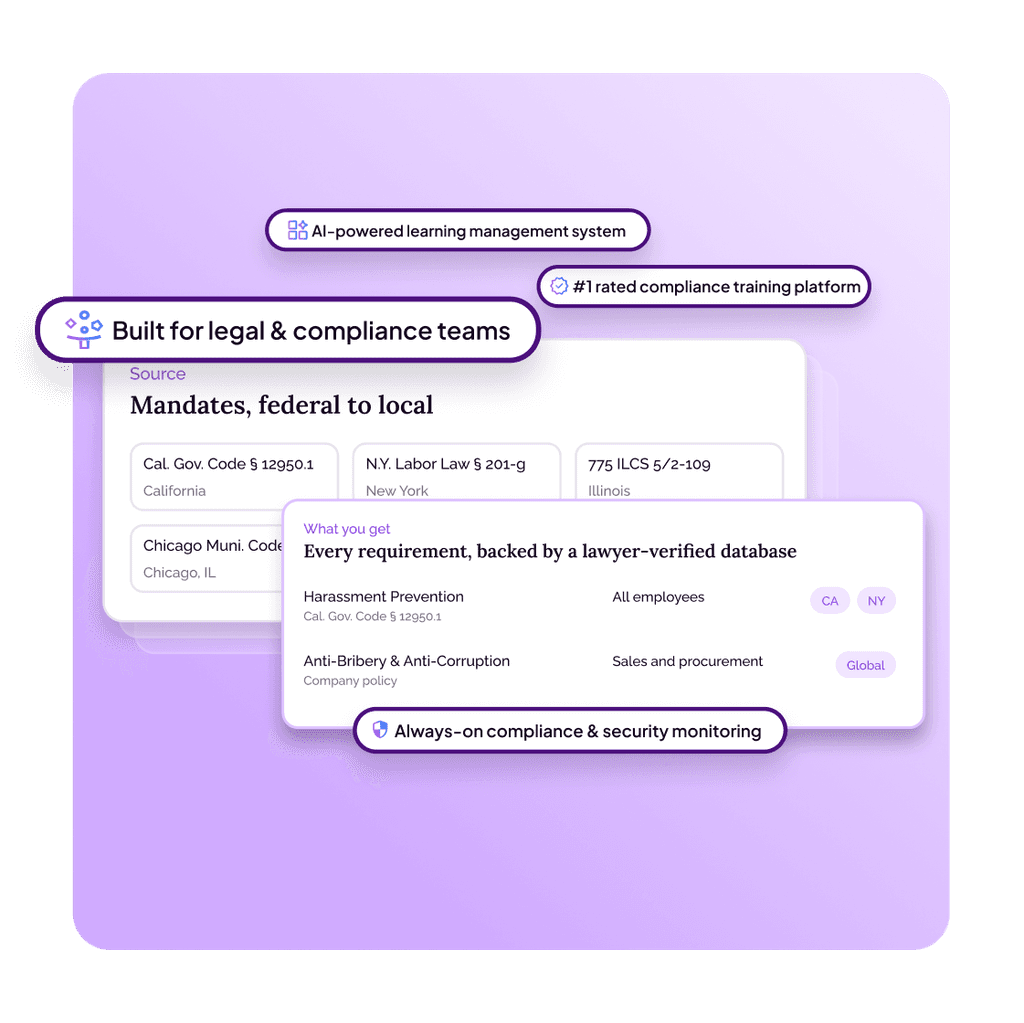
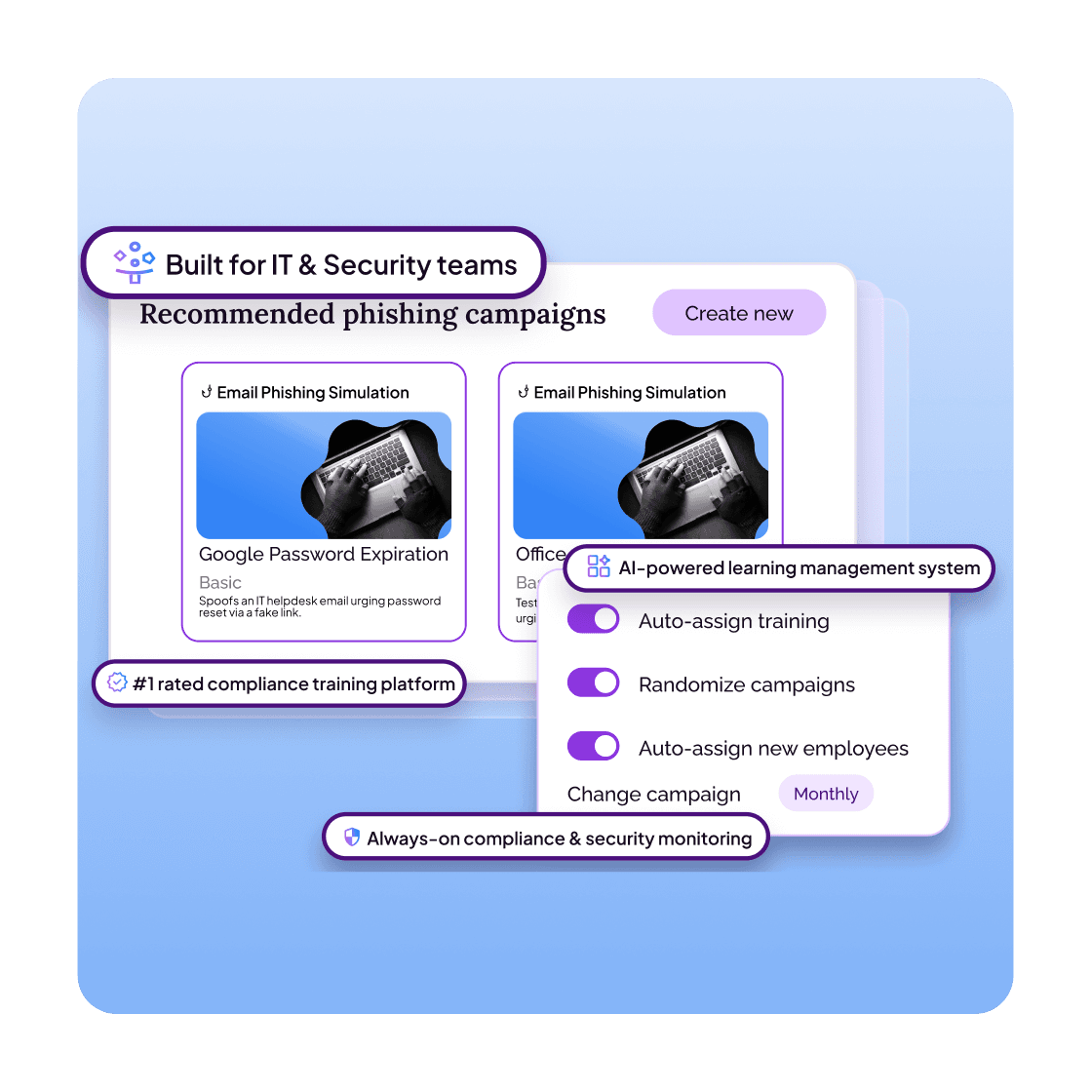
Security Awareness Training, Phishing Simulator, and compliance courses run on a single SOC 2-compliant platform that syncs with the HRIS already in place, so there's nothing extra to deploy or babysit.

The Content Your Team Needs

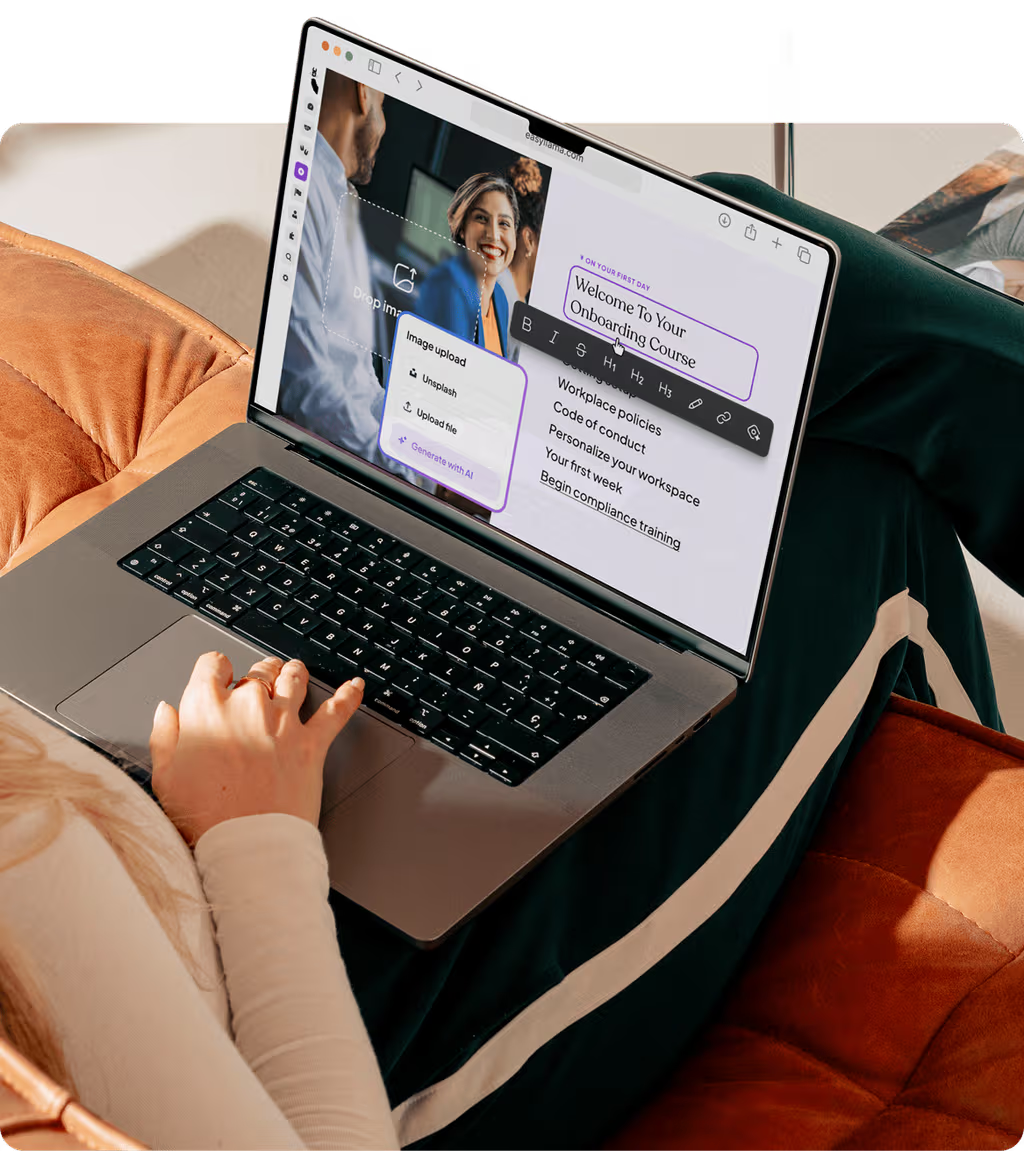
Explore popular courses built on real workplace scenarios that keep employees engaged and support broader training goals.

How Tiger Pistol Prepared Staff for GDPR

Growing its international footprint, Tiger Pistol rolled out cybersecurity, data privacy, and EU data protection courses through EasyLlama and synced enrollment with Zenefits, leaving admins one less system to update by hand.
How It Works
Threats change every month, so learning has to keep pace long after onboarding.

Find the Weak Spots
Send realistic test emails with Phishing Simulator to see who clicks and which teams need targeted lessons before a real attack lands.

Reinforce All Year
Schedule recurring simulations and follow-up courses by role and location, with immediate feedback whenever someone clicks a test link.

Measure Real Progress
Track risk levels, vulnerabilities, and learner behavior in the Risk Analysis Report, with recommended next steps for the groups that need a...
Helping over 8,000 organizations create a safer, more productive workplace


















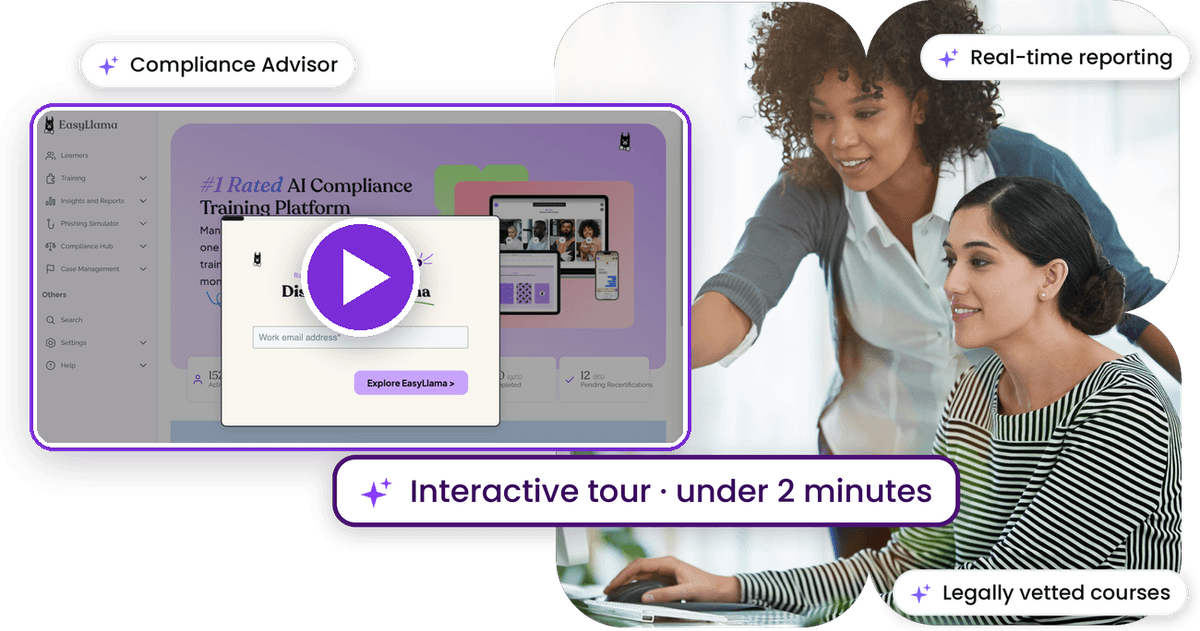
See EasyLlama in Action
Take a quick, self-guided tour of EasyLlama at your own pace. No scheduling or sales call required.
IT & Security Awareness Training FAQs

- Security awareness training teaches employees how their everyday actions affect an organization's security. It typically covers phishing, social engineering, password hygiene, data handling, ransomware, and safe use of devices and networks. The goal is behavior change, so effective programs combine short courses with practice, such as phishing simulations, rather than relying on a single annual lesson.
- Yes, many common frameworks and regulations require or expect it. PCI DSS requires a formal security awareness program for personnel, the HIPAA Security Rule requires security awareness and training for covered entities' workforce, and ISO 27001 includes awareness and training controls. SOC 2 auditors also commonly look for evidence that employees receive security training, which makes completion records important.
- Most organizations train employees at hire and at least once a year, and some standards, such as PCI DSS, set that annual minimum explicitly. Because threats change quickly, many security teams add monthly or quarterly phishing simulations and short refresher lessons between annual courses. Frequent, lightweight practice tends to build stronger habits than one long session.
- Phishing simulations send realistic but harmless test emails to employees to see how they respond. When someone clicks a link or opens an attachment, they receive immediate feedback explaining what they missed and how to spot it next time. Over time, simulation results show which teams are improving and where additional training would reduce risk the most.
- EasyLlama combines Security Awareness Training and Phishing Simulator with compliance courses in one SOC 2-compliant platform. IT teams can sync employees through HRIS integrations, automate recurring simulations and courses, and use the Risk Analysis Dashboard to track how behavior changes over time. That gives security teams measurable progress without adding another tool to deploy and maintain.
View More Solutions
Explore other ways EasyLlama can support your organization’s compliance and workplace training needs.