Election Day at Work: How to Navigate Political Conversations in the Workplace



Learn why banning political talk backfires and how HR leaders can help teams handle difficult conversations with respect.
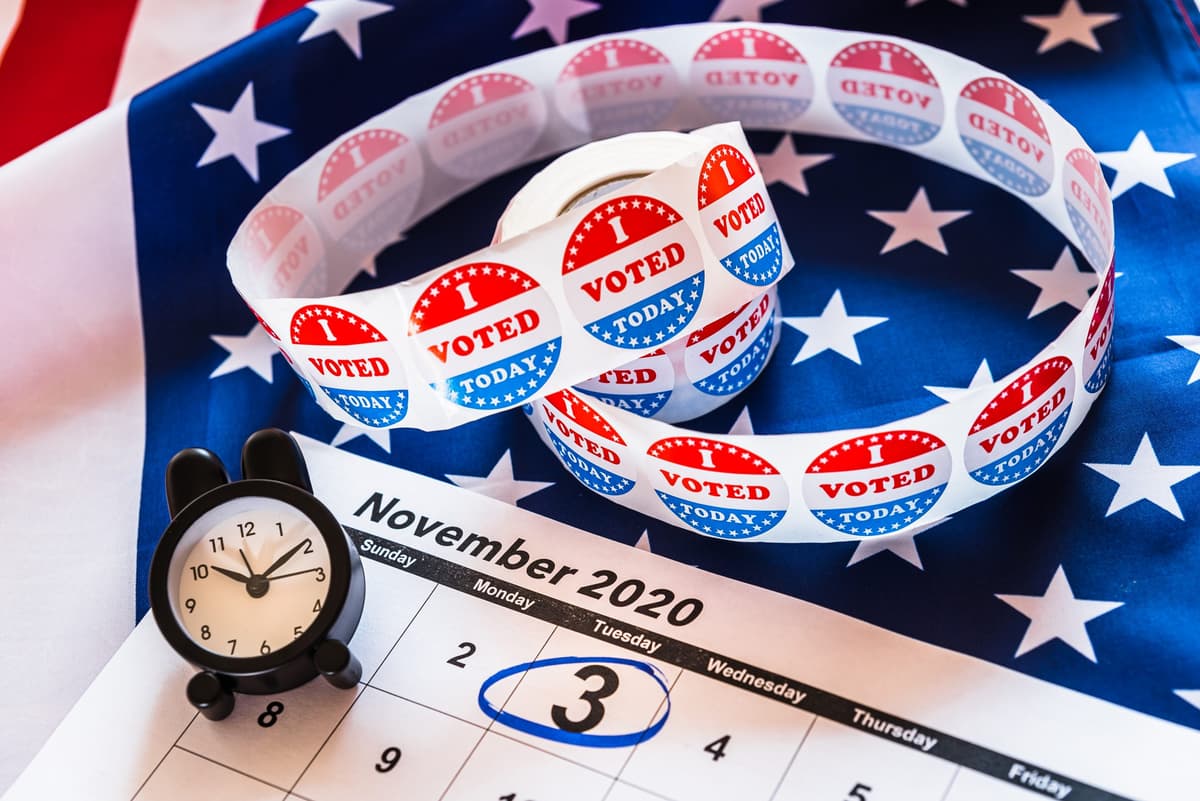
Get a brief history of Election Day in the U.S. and understand how to handle political conversations show up at work. Walk away knowing why banning political conversations usually backfires and how HR and people leaders can build respectful, soft-skills-driven cultures where employees handle difficult conversations well all year long.
Test Your Compliance
Find out if your company is compliant in two minutes with our free Compliance Grader.
Get Your Free ReportHappy Election Day! If you haven't already, go vote.
If the office is feeling a little tense this week, it's no surprise. Politics can make people feel protective and defensive of their opinions. It makes sense, considering the things on the ballot are tied to what we care about most.
But here's the thing, we don't stop being coworkers just because we see the world differently. We still have meetings to run, projects to ship, and lunch to grab together. As a people leader, I'd much rather help my team talk through hard topics with respect than pretend those topics don't exist.
So I wanted to write this for anyone who's bracing for a few awkward conversations this week, and for every HR and people leader wondering how to keep the peace. We'll start with a little Election Day history (because I love a good "why do we do it this way?"), then get into how to make room for political and other difficult conversations at work.
What is Election Day?
Election Day in the United States is the date federal law sets for general elections: the first Tuesday after the first Monday in November. In 2026, that's Tuesday, November 3.
These days, "Election Day" is really more of an election season. Millions of Americans now vote early or by mail before the big day ever arrives.
That means the conversations around it start earlier and last longer, and plenty of them happen at work.
A brief history of Election Day
Election Day hasn't always been a single, shared date. Before 1845, states could hold elections anytime within a 34-day window. Early results from some states could influence voters in states that went later.
In 1845, Congress passed a law setting one national date: the first Tuesday following the first Monday in November. The choice came down to the realities of a largely agricultural country:
- November fell after the harvest and before winter weather made travel hard.
- Tuesday gave people a full day to travel to the polls without cutting into Sunday church services. Wednesday was market day for farmers, so it was off the table too.
Nearly two centuries later, most of us aren't farmers, but the Tuesday stuck. Election Day still lands in the middle of the workweek, right alongside meetings, deadlines, and coworkers.
Politics at work: of course it comes up
We spend a huge part of our lives at work, and politics shapes a lot of that life. So it's no surprise that political conversations in the workplace happen, especially around an election. In fact, 45% of U.S. workers say they have personally been in a political disagreement at work.
It's tempting to make the whole topic off-limits. But a blanket ban usually isn't the answer, for a few reasons:
- It's hard to enforce. HR experts generally advise against banning political conversation outright, because it's so difficult to police in practice.
- Some of it may be legally protected. The National Labor Relations Act protects non-supervisory employees' right to discuss working conditions together, and political topics like minimum wage can overlap with that.
- State laws vary. At least 11 states prohibit employers from disciplining or restricting employees for their political views or affiliations, and some also protect off-duty political activity.
That doesn't mean anything goes. Political comments that target someone's race, religion, sexual orientation, or another protected characteristic can contribute to a hostile work environment. It's all about fostering a space and culture of respect.
Tip to HR: Because the rules differ by state, talk to employment counsel before putting any policy on political speech in writing.
It's up to people leaders to set the tone
If banning the topic isn't the answer, preparing people is. Political conversations are really a type of difficult conversation: personal, emotional, and easy to get wrong. People leaders can help employees build the skills to handle them well and make room for opinions that differ from their own.
Here's what that looks like in practice:
- Acknowledge that it's personal. For many people, how they vote reflects their values and affects their lives. A comment one person sees as harmless can feel like a personal attack to someone else.
- Shift the goal from winning to understanding. Many people treat disagreements as contests. Encourage employees to see them as a chance to learn about their coworkers instead.
- Teach active listening. Giving full attention, acknowledging the other person's points, and confirming you understood them keeps conversations respectful.
- Discourage assumptions. Assuming you know what someone thinks, or why, is a fast track to misunderstanding.
- Normalize taking a break. Stepping away when things heat up gives everyone time to cool off and think more clearly.
- Treat diverse viewpoints as part of inclusion. Respecting employees' right to their own political views fits within a broader commitment to an inclusive workplace.
These might not come naturally to everyone. But they are skills and at the end of the day, skills can be taught.
Why soft skills belong in your training strategy
Compliance training covers what the rules are. Soft skills training covers how people actually treat each other day to day: how they listen, disagree, and repair things when a conversation goes sideways. Election season makes the gap obvious, but these skills matter all year, in feedback conversations, team conflicts, and everyday collaboration.
That's why soft skills deserve a permanent spot in your overall training strategy, not a one-time session when tension is already high. Short, ongoing training helps employees keep these skills fresh. EasyLlama's Llama Bites are built for exactly that: 5- to 10-minute mini-courses on workplace culture, delivered monthly. (EasyLlama)
A few EasyLlama courses that fit this topic:
- Having Effective Difficult Conversations: about 10 minutes on preparing for tough conversations, discussing sensitive topics tactfully, and setting boundaries.
- Active Listening Skills in the Workplace: a 9-minute course on the three A's of active listening and how listening builds trust and reduces miscommunication.
- De-Escalation Techniques: a 10-minute course on spotting early signs of escalating conflict and responding with empathy and a calm tone.
- Words Matter: Using Inclusive Language in the Workplace: a 10-minute course on how word choice affects colleagues and how to avoid language that may come across as insensitive.
- Conflict Resolution & Communication in the Workplace: a fuller course on the causes of conflict, managing emotions during disputes, active listening, and resolution strategies like collaboration, negotiation, and mediation.
At the end of the day, whether it's election week or any other day of the year, politics has always found its way into everyday life, including work. You can't keep it out of the office entirely, but you can give your people the skills to handle it, and every other hard conversation, with respect.
If you need help preparing your workforce, explore EasyLlama's soft skills courses → Book a demo
Go vote!
Share this


Frequently
Asked
Questions

- In 1845, Congress set Election Day as the first Tuesday after the first Monday in November to fit the needs of a largely agricultural country. November fell after the harvest and before harsh winter travel. Tuesday gave people a full day to travel to the polls without interfering with Sunday church services or Wednesday market days.
- It depends, and a blanket ban usually isn’t the best approach. The National Labor Relations Act protects non-supervisory employees’ right to discuss working conditions, which can overlap with political topics like minimum wage. At least 11 states also restrict employers from disciplining employees for their political views or affiliations. Because the rules vary by state, talk to employment counsel before putting any policy on political speech in writing.
- Political comments that target someone’s race, religion, sexual orientation, or another protected characteristic can contribute to a hostile work environment. Disagreeing on issues is normal, but harassment and discrimination are never acceptable.
- Managers can set the tone with a few core practices: - Acknowledge that politics is personal. - Shift the goal from winning to understanding. - Model active listening. - Discourage assumptions about what others believe. - Normalize stepping away when a conversation gets heated.
- Active listening means giving the other person your full attention, acknowledging their points, and confirming you understood them before responding. It keeps tough conversations respectful, builds trust, and reduces miscommunication between coworkers who see things differently.
- Compliance training covers the rules. Soft skills training covers how people actually treat each other: how they listen, disagree, and repair a conversation that goes sideways. Short, ongoing training like EasyLlama’s Llama Bites keeps those skills fresh all year, not just when tension is already high.
 Articles
Read More Blogs
Explore what others in your field are learning

Pregnancy Discrimination In The Workplace - Do's and Don't
Preventing pregnancy discrimination in the workplace - do's and don't.

Saphira Ensley

The Do’s and Don’ts of Having Difficult Conversations
Discover tips for having productive workplace conversations, handling tough topics with respect, and maintaining professionalism. Learn more about how to communicate.

Rebekka Crowley

EasyLlama Consistently Recognized Among Top Training Software Solutions
EasyLlama has been consistently recognized as a top training software solution by Capterra, G2, and more, making it an ideal choice for any company's training needs.

Alicia Falcon
Start Modernizing Workplace Compliance
It’s easy to get started with EasyLlama. Speak with one of our compliance experts and get a demo tailored to your business’s needs.
