How to Report a Code of Conduct Violation, and prevent retaliation
Next, we'll learn how to report code of conduct violations, as well as what constitutes retaliation and how to prevent it. You should always report incidents to a direct supervisor. It’s bigger than what an employee would like to do. It’s about what they have to do.
Reporting Unethical behavior of a supervisor
Deciding to report unethical behavior of a supervisor can be particularly scary for an employee, especially if the unethical behavior is directed toward them. And the power imbalance of the supervisor-employee relationship can make the fear of retaliation heightened even more. Unethical behavior in the workplace should not be tolerated, no matter the status of the person, and your company should have a policy in place that strictly prohibits retaliatory behavior by anyone.

Reporting can be intimidating, but it’s important to do
Reporting a workplace violation can feel daunting. And many times, people will not report a company violation because they are afraid of the backlash that may occur--specifically in the form of retaliation. In fact, this is the number one reason why people don't report violations. Some of the typical retaliatory fears include being transferred or terminated, being denied a promotion or pay raise, or receiving a reduction in pay.

What should you do if you believe that you have witnessed someone violate your company's code of conduct?
When you report a violation, be sure to have all your ducks in a row. Write out in detail what you witnessed regarding the situation, and if your report isn't anonymous, be ready to speak about it.
If you do plan to report, there are a few things to consider: Does your company have a reporting policy? Do you need to seek help from your supervisor? Can you make an anonymous report? Should you call someone or fill out a form? These are all important questions to which you should know the answers before making a report.
Reporting unethical behavior and policy violations is the right thing to do. However, it can put you in an uncomfortable position. You might fear how the person will react, fear retaliation, or worry about what will happen to the person. These thoughts are valid, and only you can decide what to do. You should weigh the options and then make your decision.
Ask yourself these questions about the action: Is it legal? Is it ethical? Does it violate company policy? Use the answers to these questions to help you determine if the alleged offense is reportable. If you are unsure, talk it through with someone.
Why People Don't Report Violations
Fear of retaliation is the number one reason why people don’t report code of conduct violation. These fears could include fears of being:
Here are some myths to look out for:
- -
Transferred
- -
Terminated
- -
Denied a promotion
- -
Denied a pay raise
- -
Reduction in pay

Teach employees how to report code of conduct Violations with training
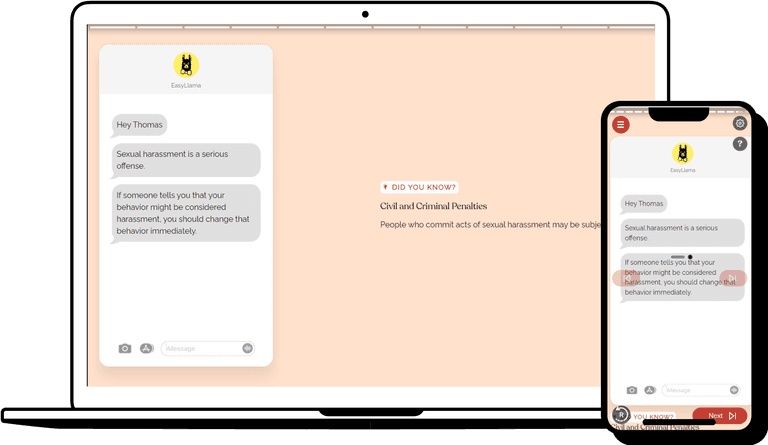
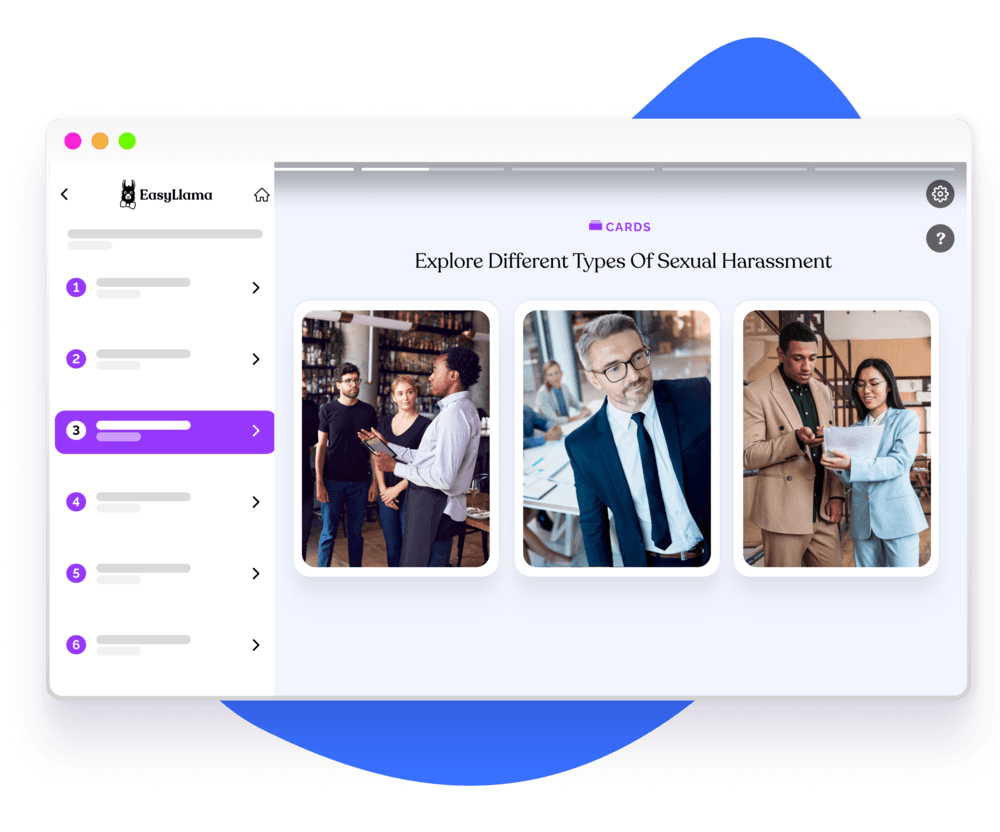
There are many important questions to answer for yourself before making a violation report of unethical behavior. EasyLlama's Code of Conduct course uses interactive knowledge checks and real-life video scenarios to educate employees on the methods to report a violation as well as to prevent retaliation. Fear of retaliation is one of the largest reasons that harassment victims choose not to report, and EasyLlama's Anonymous Reporting and Case Management tool ensures employee confidentiality to promote a healthier workplace culture.

Helping over 8,000 organizations create a safer, more productive workplace


















With EasyLlama training, your employees will discover how to be more aware of discrimination, bias in the workplace, and reap the benefits of a diverse and inclusive workforce. Here are some of the topics covered in our course:


 Get more from EasyLlama