Conflict Resolution Strategies
Discover a comprehensive array of conflict resolution strategies designed to help you navigate challenging situations with finesse and effectiveness.
Collaborative Problem-Solving
Collaborative problem-solving is a dynamic approach that harnesses the collective wisdom and creativity of individuals working together to find solutions. It emphasizes teamwork, open dialogue, and shared responsibility in addressing challenges and conflicts. By pooling diverse perspectives and skills, collaborative problem-solving not only leads to more innovative solutions but also strengthens relationships and fosters a sense of unity among participants.
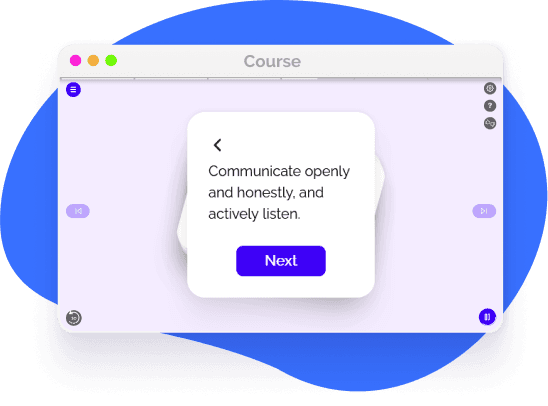
Explore collaborative problem-solving, where parties come together to identify common goals, brainstorm solutions, and reach consensus, ultimately leading to win-win outcomes.
Consensus building techniques help parties reach agreement by addressing concerns, making concessions, and finding solutions that benefit all stakeholders. Discover how to navigate consensus-building effectively to achieve mutually acceptable resolutions.
Brainstorming sessions encourage creative thinking and open dialogue. Explore techniques for generating a wide range of potential solutions to a conflict, allowing for greater flexibility and innovation in problem-solving.
Identifying common goals is the foundation of collaborative problem-solving. Learn how to bring conflicting parties together by uncovering shared interests and desired outcomes, paving the way for constructive conflict resolution.

Mediation and Third-Party Intervention
Mediation and third-party intervention are invaluable tools in conflict resolution. Mediation involves the presence of a neutral third party who facilitates communication and negotiation between conflicting parties. By providing an unbiased perspective and promoting constructive dialogue, mediation can often defuse tensions and lead to resolutions that satisfy all parties. Third-party intervention, on the other hand, encompasses a broader range of strategies where an impartial third party steps in to assist in conflict resolution, whether through mediation, arbitration, or other methods.
Harnessing the Power of Mediation
Navigate through the benefits of mediation and strategies for successful mediation sessions.
Here are some myths to look out for:
- -
The role and responsibilities of a mediator
- -
Techniques for maintaining impartiality
- -
Active listening and empathetic communication in mediation
- -
Facilitating productive dialogue between conflicting parties

Elevate Workplace efficiency with EasyLlama’s Conflict Resolution Strategies
EasyLlama's course is your key to workplace success! Our expert-designed program offers interactive learning, focusing on emotional intelligence, practical tools, and cultural sensitivity. Learn to prevent and resolve conflicts, boost workplace dynamics, and skyrocket productivity. Whether you're a startup or a corporation, we've got you covered for success in today's dynamic work environments!
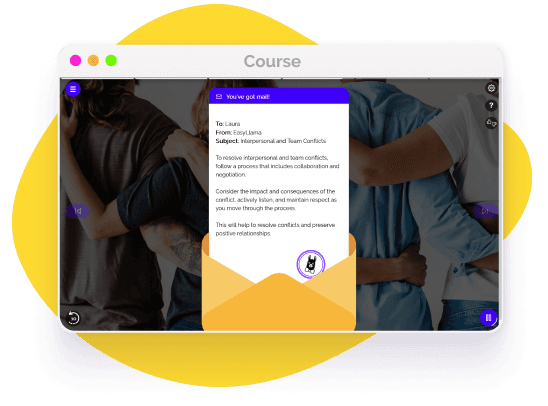
Helping over 8,000 organizations create a safer, more productive workplace















The goal of this training is to educate employers and employees on their rights and responsibilities when it comes to conflict resolution and communication in the workplace. This course covers:

 Get more from EasyLlama