Stereotypes, Bias, and prejudice
Explore the concept of the unconscious mind and its role in the workplace. We will look at how unconscious bias and decisions can influence our thoughts and behaviors in the workplace, as well as how we can become more aware of and mitigate these influences.
Unconscious Bias and Social Connections
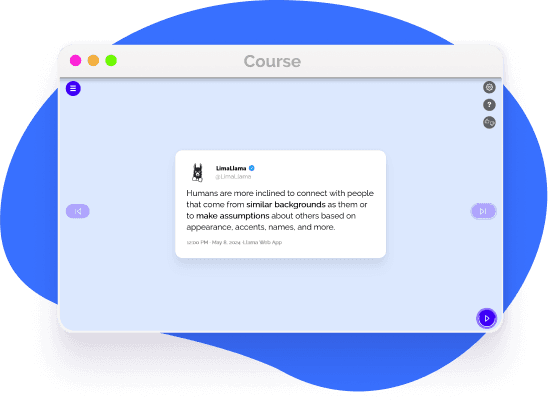
Humans naturally seek connection and belonging, and so it is not surprising that they are more likely to connect with those that come from similar backgrounds. This could include shared language, cultural beliefs, values, experiences, and even physical characteristics. People may also make assumptions about others based on their physical appearance, name, accent, and other visible features.
The negative outcomes of stereotypes, bias, and prejudice can be seen in many aspects of life, from interpersonal relationships to employment opportunities.
Employee retention may be affected if team members feel undervalued, left out, or mistreated at work because of their race, gender, religion, or other characteristics. Employers may incur expensive recruiting and training costs as a result of the need to continually hire new workers to replace those who have left because they felt excluded and mistreated.
Unfair treatment in the workplace due to prejudice and stereotypes can take many forms, including discriminatory hiring practices, unequal pay, or denial of promotions or opportunities. It can also manifest in microagressions that make employees feel excluded or devalued, such as making assumptions about their abilities or background.
When stereotypes, bias, and prejudice exist in the workplace, it can lead to employees feeling devalued, excluded, or mistreated. This can cause employees to disengage from their work, become less motivated and productive, and even start to look for employment elsewhere.

The role of Stereotypes, Bias, and Prejudice has in unconscious bias
Unconscious bias is a pattern of behavior that is based on preconceived notions and stereotypes that exist within our society. It can be seen in the way people judge, treat, and interact with each other based on their race, gender, age, sexual orientation, and other factors. By understanding and acknowledging the role that these factors have on our behavior, we can work to reduce the power of unconscious bias and create a more equitable and inclusive society.
Examples of Unconscious Stereotypes, Bias, and Prejudice
Stereotypes, bias, and prejudice are all forms of unconscious bias that can lead to misunderstandings, discrimination, and inequality. Here are a few examples:
Here are some myths to look out for:
- -
Making assumptions about someone based on their race or ethnicity.
- -
Judging someone based on their gender or sexual orientation.
- -
Assuming that people with disabilities are not capable of leading successful lives.

Minimize Stereotypes, bias, and prejudice in the workplace with Employee Training
Employees should be provided with training that encourages open dialogue and discussion about stereotypes, bias, and prejudice. Training should cover topics such as the dangers of assumptions, recognizing and understanding implicit bias, and creating a workplace culture of understanding and acceptance. It should also provide practical tools and strategies for identifying, challenging, and preventing stereotyping, bias, and prejudice.
Helping over 8,000 organizations create a safer, more productive workplace












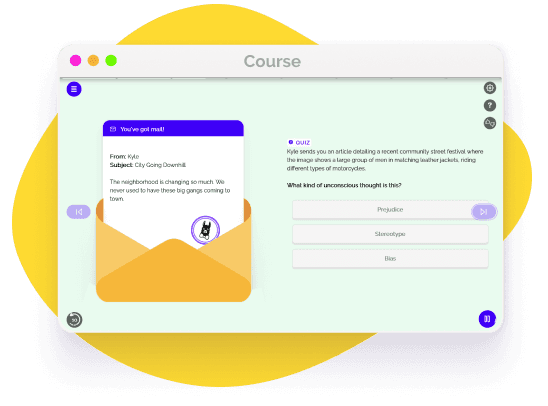
EasyLlama’s online training course helps prepare employees to navigate unconscious biases. The course covers different types of bias and shows how biases can hinder inclusivity in the workplace and lead to harmful microaggressive behaviors. The course covers:

 Get more from EasyLlama