Fire Evacuations and Disability
Explore the varied needs and preferences, areas of refuge, and specific evacuation strategies for employees with disabilities. This could include individuals with blindness, low vision, hearing impairments, neurological disabilities, those using non-wheelchair mobility aids, and wheelchair users.
Recognizing Diverse Evacuation Needs
In emergency situations, it's important to understand that individuals with disabilities may have unique needs and preferences. Personal Emergency Evacuation Plans (PEEPs) should be developed to address these specific requirements, ensuring everyone's safety during an evacuation.
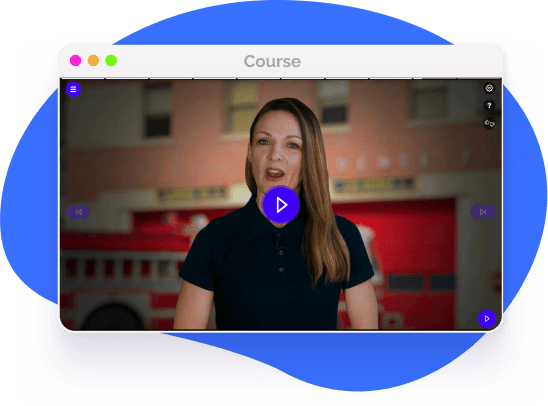
Tailoring evacuation procedures to accommodate various disabilities is crucial for ensuring the safety of all individuals.
Best practices for assisting individuals with visual impairments include providing verbal guidance and avoiding physical obstacles during evacuation.
Communication strategies for Deaf or hard of hearing individuals during evacuations may include visual alerts and having pre-planned evacuation buddies who can provide assistance.
Evacuation plans must include an understanding of the unique challenges faced by individuals with psychological, psychiatric, or neurological disabilities during evacuations.

Evacuation Strategies for Wheelchair Users
Evacuating wheelchair users during a fire requires specific strategies. This includes identifying accessible escape routes, using evacuation chairs if necessary, and ensuring that areas of refuge are appropriately equipped to accommodate wheelchair users until they can be safely evacuated.
Inclusivity in Fire Drilling Practices
Inclusive fire drilling practices ensure that emergency evacuation procedures are effective for everyone, including those with disabilities.
Here are some myths to look out for:
- -
Regularly practicing evacuation procedures with adaptations for various disabilities
- -
Incorporating feedback from individuals with disabilities to improve evacuation plans
- -
Ensuring that all staff are trained in assisting colleagues with disabilities during evacuations

Inclusive Fire Evacuation Training for All
Our course offers comprehensive training on inclusive evacuation strategies for individuals with various disabilities. Learn to create and implement effective evacuation plans that consider the diverse needs of all individuals, ensuring a safe environment for everyone in the event of a fire.
Helping over 8,000 organizations create a safer, more productive workplace

















The course thoroughly explores topics such as types of fire, fire hazards, fire safety equipment (like fire extinguishers), and OSHA regulations. It aims to equip employees with the knowledge and skills to meet the organization's fire safety objectives.


 Get more from EasyLlama