Different Types of Illegal Trades
When it comes to insider trading, there are a variety of trades that are considered to be illegal. While most individual traders are familiar with the stock market, it isn't the only publicly tradable securities market. You might have heard about investors trading calls and puts, which are different types of options contracts.
“Calls and Puts” Contracts
Many options traders are not interested in the stock itself, but are more interested in trading the contracts back and forth. The two types of contracts that can either be bought or sold are called "calls and puts." Generally, purchased call contracts are predicting the price of the underlying stock to go up, while purchased put contracts are predicting the price to go down. Given that options contracts are traded on leverage, meaning more money can be made or lost than with stocks, often times penalties for illegal insider trades are greater with options because more illicit money has been made.
What are Options?
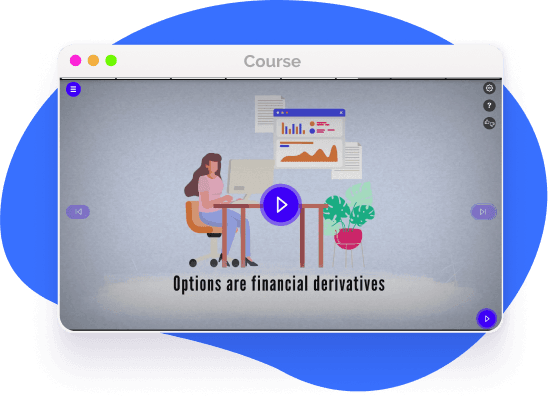
Let's take a brief look at the options market and how it compares to the stock market, plus how trading options apply to insider trading. Options are financial derivatives, meaning their price is derived from another specific financial indicator, like a stock or commodity. Options specifically, are traded in contracts. Each options contract is connected to 100 shares of an underlying security such as a publicly traded stock. Options give investors the choice, but not the obligation to buy a stock at a specified time for a specified price. These contracts have an expiration date and are priced based upon their risk at the time of purchase.
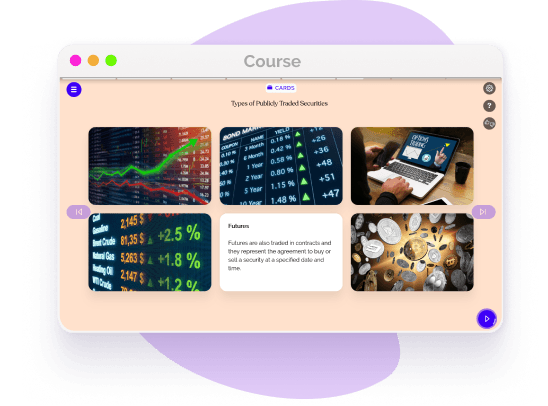
Let’s learn about some different types of publicly traded securities that insider trading laws apply to. While this list is not fully comprehensive, it will give you an idea as to the types of trades that are regulated by the SEC.
Cryptocurrencies such as Bitcoin and Ethereum are digital currencies backed by the power of blockchain computing technology. These currencies transfer easily from any location around the world, but the act of trading them is also subject to SEC scrutiny.
Options are contracts based on an underlying stock. Each options contract gives investors the opportunity to buy or sell the underlying stock. Each contract also has an expiration date and represents 100 shares of stock. Futures are also traded in contracts and they represent the agreement to buy or sell a security at a specified date and time.
Bonds are a way for a company or government entity to issue debt. The debt is divided and sold to investors in the form of bond certificates. Commodities are actual physical items such as oil, corn, and gold. Commodities often trade in contracts instead of the actual physical item.

What are ETFs?
A frequently asked question regarding insider trading refers to Exchange Traded Funds or ETFs. Similar to mutual funds, ETFs represent not just one company's stock, but a basket of stocks that track a specific sector or index. Even though ETFs and mutual funds represent more than one company, and in some cases even thousands of companies, insider trading laws still apply when trading them.
Examples of Illegal Trading Cases Brought by the SEC
Let’s look at some examples of illegal trading cases brought by the SEC, plus who they involved.
Here are some myths to look out for:
- -
Corporate officers, directors, and employees who traded the corporation's securities after learning of significant, confidential corporate developments
- -
Friends, business associates, family members, and other "tippees" of corporate officers, directors, and employees who traded the securities after receiving MNPI
- -
Employees of law, banking, brokerage, and printing firms who traded based on information they obtained in connection with providing services to the corporation whose securities they traded

Teach Employees how to avoid insider trading penalties with training
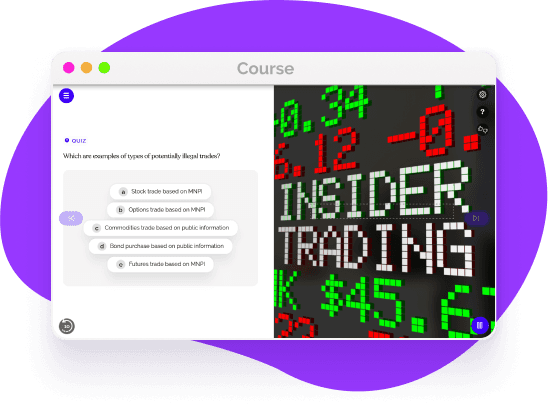
In order to discourage others from engaging in it, the SEC tries to inform the public about the risks of insider trading and the significance of upholding honest and transparent markets. With EasyLlama's workplace Insider Trading course, employees are taught about the repercussions and penalties for engaging in insider trading through interactive quizzes and real-world scenarios.
Helping over 8,000 organizations create a safer, more productive workplace
















The online training course from EasyLlama walks learners through which transactions are prohibited, how to avoid them, and the procedures to follow in order to trade in public marketplaces in an ethically and legally acceptable manner. The course covers:


 Get more from EasyLlama