Cardholder Data and Sensitive Authentication Data
Explore the significance of cardholder data and sensitive authentication data in the context of data security and protection.

What is Cardholder Data?
Cardholder data refers to the sensitive information associated with payment cards. It includes the primary account number (PAN), cardholder name, expiration date, and service code. This data is crucial for processing transactions and must be protected to prevent unauthorized access and potential misuse.
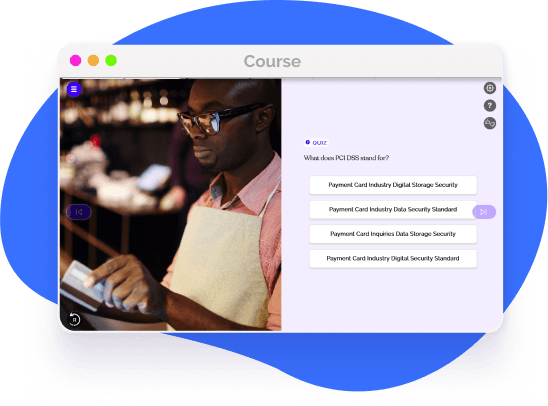
Handling cardholder data and sensitive authentication data requires strict adherence to security practices to protect this sensitive information. Here are three best practices for handling cardholder data and sensitive authentication data:
Implementing robust access controls is crucial to restrict access to cardholder data and sensitive authentication data to only authorized personnel who require it for their job roles. Employing multi-factor authentication, role-based access, and least privilege principles helps minimize the risk of unauthorized access.
One effective way to enhance security is to minimize the amount of cardholder data and sensitive authentication data stored. It is essential to follow the principle of "data minimization," retaining only the necessary information required for immediate business purposes.
Encrypting cardholder data and sensitive authentication data is a fundamental practice to protect it from unauthorized access. Utilizing strong encryption algorithms ensures that even if data is intercepted, it remains unreadable and unusable without the appropriate decryption keys.

Understanding Sensitive Authentication Data
Sensitive Authentication Data (SAD) comprises data elements that are used to verify the authenticity of cardholder data during payment transactions. This includes full magnetic stripe data, CVC/CVV2 codes, and PIN numbers. Protecting SAD is of utmost importance to ensure the security of payment processes and prevent fraudulent activities.
Common Mistakes to Avoid
These are some common mistakes that organizations and individuals should avoid to protect cardholder data and sensitive authentication data effectively.
Here are some myths to look out for:
- -
Storing sensitive authentication data in plain text or weakly encrypted formats.
- -
Sharing cardholder data or sensitive authentication data via unsecured channels such as email or instant messaging.
- -
Neglecting to update security measures and software regularly, leaving vulnerabilities unpatched.
- -
Failing to restrict access to sensitive data, leading to unauthorized access by employees or external threats.
- -
Using default or weak passwords for systems handling cardholder data.

Protect Cardholder Data with PCI DSS Training
Protecting cardholder data is of utmost importance for any organization involved in payment card transactions. PCI DSS (Payment Card Industry Data Security Standard) training plays a pivotal role in achieving this goal. Through this training, employees and individuals handling cardholder data gain essential knowledge about data security best practices, understanding the significance of data protection, and recognizing potential vulnerabilities.

Helping over 8,000 organizations create a safer, more productive workplace


















The goal of this training is to educate employers and employees on their rights and responsibilities when it comes to PCI DSS in the workplace. This course covers:


 Get more from EasyLlama