Bill S-211
Navigate through the intricacies of Bill S-211, a landmark piece of legislation aimed at eliminating forced labour and child labour within Canadian businesses and their global supply chains.
Understanding Bill S-211
Bill S-211, also known as the Fighting Against Forced Labour and Child Labour in Supply Chains Act, is a critical legislative step in Canada's commitment to human rights. By requiring certain businesses to report on the measures taken to prevent and reduce the risk of forced and child labour in their operations and supply chains, it establishes a new standard for transparency and accountability in the business industry.
The enactment of Bill S-211 introduces several key provisions that businesses operating in Canada must adhere to, with a focus on enhancing transparency and protecting vulnerable populations from exploitation.
Businesses are mandated to annually disclose their efforts to identify, prevent, and mitigate the risks of forced and child labour in their supply chains.
The bill provides clear definitions of what constitutes forced labour and child labour, helping businesses to accurately identify and address these issues.
Businesses are subject to the reporting requirements, including criteria based on size, sector, and the nature of their operations, with an emphasis on the role of small and medium-sized organizations.

Impact on Small and Medium Organizations
Bill S-211 extends beyond large corporations, significantly impacting small and medium organizations. These entities must navigate the complexities of compliance, often requiring enhanced due diligence processes to ensure their supply chains are free of forced and child labour. This shift demands a proactive approach to supply chain management, emphasizing ethical sourcing and transparency.
Examples and Actions Under Bill S-211
Practical examples of forced and child labour highlight the importance of Bill S-211's provisions, guiding businesses on the necessary actions to combat these issues within their operations and supply chains.
Here are some myths to look out for:
- -
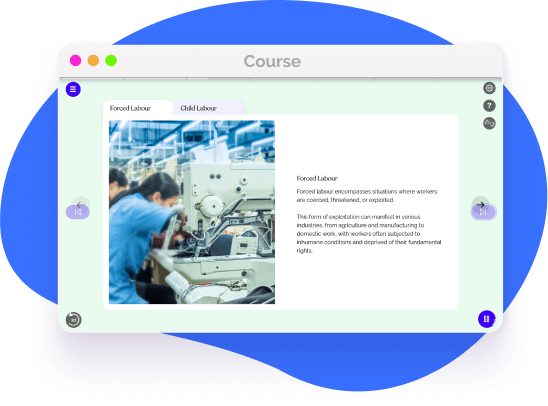
Examples of Forced Labour: Instances in manufacturing, agriculture, and mining sectors, where workers are coerced into labor without proper compensation or freedom.
- -
Examples of Child Labour: Situations in garment factories, cocoa plantations, and informal businesses where children are employed under conditions harmful to their development and well-being.
- -
Key Action: Steps businesses can take include conducting regular audits, implementing strict supplier standards, and engaging in ethical sourcing practices.

Navigate Compliance with Bill S-211 through EasyLlama’s Course
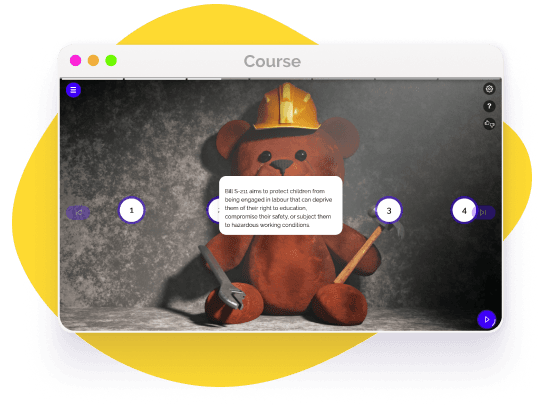
Our training is designed to help businesses of all sizes understand their obligations under the bill, with a focus on identifying, preventing, and mitigating the risks of forced and child labour in supply chains. Through engaging content and real-world scenarios, participants will learn effective strategies for maintaining ethical business practices and ensuring transparency and accountability.
Helping over 8,000 organizations create a safer, more productive workplace






From understanding the definitions of forced and child labour to navigating the complexities of Bill S-211, this course covers everything employees need to champion ethical labour practices.


 Get more from EasyLlama