Behaviors Of Sexual Predators
Recognizing the behavior of sexual predators is vital in preemptive action and intervention. These behaviors are often a mix of overt and covert actions, including manipulation, grooming, and direct harm.
The Manipulative Tactics Employed
Sexual predators often use manipulation to gain trust, access, and compliance. This might manifest as feigned kindness, false promises, or exploiting a victim's vulnerabilities to serve their motives.
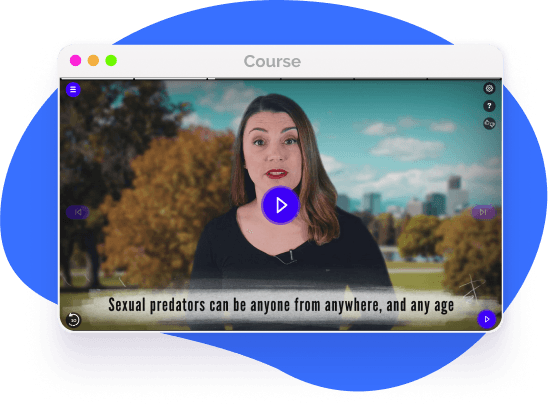
To effectively recognize and counteract the threat posed by sexual predators, understanding the depth and breadth of their behaviors is crucial.
In an increasingly digital age, predators use technology as a tool for manipulation and exploitation. Understanding online behaviors, from catfishing to blackmail, is essential for modern safety.
Predators often try to alienate their victims from friends, family, or any potential support system. This isolation makes the victim more vulnerable and reliant on the predator.
A methodical process, grooming involves building a relationship, trust, and emotional connection to exploit it later. It can be subtle and progress over time, making it especially insidious.

Coercion and Threats in Predatory Behavior
Coercion stands as a stark reminder of the lengths sexual predators might go to ensure compliance. By using threats, either direct or implied, predators aim to control their victims, leaving them feeling trapped and powerless.
Identifying Signs of Predatory Behavior
Recognizing early signs of a sexual predator can be a lifeline in preventing potential harm:
Here are some myths to look out for:
- -
Excessive flattery or gift-giving
- -
Invasion of personal boundaries
- -
Overstepping roles or relationship dynamics
- -
Unwanted sexual attention or advances
- -
Monitoring or controlling a victim's daily activities

Become a Proactive Defender against Predatory Behavior
Equip yourself with the knowledge to detect and counteract the behaviors of sexual predators. EasyLlama's comprehensive training provides the insights and tools needed to make a difference. Don't just be a bystander — become a proactive defender and advocate for safety in your community. Join the movement towards a safer tomorrow.

Helping over 8,000 organizations create a safer, more productive workplace


















The goal of this training is to educate employers and employees on their rights and responsibilities when it comes to identifying sexual predators in the workplace. This course covers:


 Get more from EasyLlama